
Students often search for complicated productivity systems, but academic success usually depends on simple habits repeated consistently. Small behavioural changes shape concentration, memory, and confidence far more effectively than last-minute cramming sessions.
One helpful strategy is building a predictable study routine. Choosing the same study time every day trains the brain to expect focused work. In Atomic Habits, James Clear famously wrote, “You do not rise to the level of your goals. You fall to the level of your systems.” Students benefit from this approach because routines reduce decision fatigue and make studying feel automatic instead of stressful.
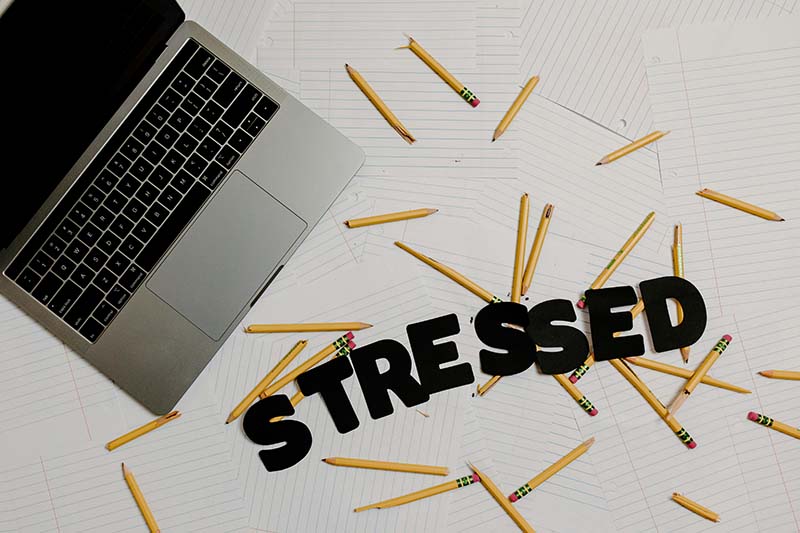
Environment also influences behaviour. A clean desk, silent notifications, and prepared materials create fewer excuses for procrastination. Students who remove distractions during study sessions often finish tasks faster and retain information more effectively. Even short twenty-five minute study blocks paired with five-minute breaks can improve consistency and reduce burnout over time.
Another important habit involves active learning. Reading notes repeatedly feels productive, but stronger results usually come from testing yourself. Practice quizzes, flashcards, summarising chapters aloud, and teaching concepts to classmates strengthen understanding and reveal weak areas early. Cognitive psychologist Henry Roediger described retrieval practice as “a powerful way to enhance learning and memory,” highlighting why self-testing is often more effective than passive review.
Sleep and movement matter as well. According to the Centers for Disease Control and Prevention (CDC), consistent sleep improves attention, behaviour, learning, memory, and emotional regulation in students. Light exercise, healthy meals, and proper hydration also support stronger concentration during demanding academic periods.
Finally, students should track progress without obsessing over perfection. Missing one study session does not ruin success. The goal is returning quickly to positive behaviours instead of giving up entirely. Sustainable academic improvement comes from steady routines, realistic expectations, and daily actions that gradually build discipline, resilience, and confidence over time.